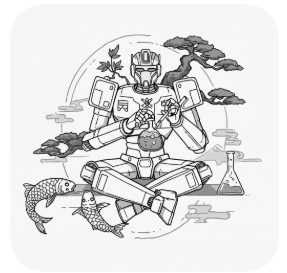
A short reflection on how automated research workflows may reshape scientific practice, and what we can do to stay grounded, useful, and honest.

This post is about project management. No, it does not offer solutions because solutions don’t exist.
My “end-of-the-year” reading summary. But mostly is about how I climbed up from a bookless pit.
Spoiler alert: it’s about self-soothing
Doing a PhD means trying 100 systems and stick to 3. If you have to try something this year, let it be a dissertation journal
Being home sick has its pros: more writing time for experiments
This post is for you if you’ve ever looked at a sketchnote and thought: “That’s cool, but I could never do that.”
Part 2 of 2 - This post shows how I dived into my digital journal to extract information about my writing style, my weekly mood, and yes, make more plots.
Part 1 of 2 - This post shows how I transformed simple daily work logs in Logseq into a powerful data visualization in R to better understand my own strengths and interests.
An experiment in structuring a TidyTuesday exploration using interactive elements from quartose
quartose
This is the story on how I went from Confused Logseq User to Accidental Curator of an awesome academic PKM repository
This post started with a talk invitation about Closeread and scrollytelling. It ended with a full demo and a printable cheatsheet, all thanks to aesthetic joy and the refusal to keep checking the same three lines of syntax.
This post started with a diagram I made for a talk, and ended with a discussion that showed me just how slippery scientific terms can be.
To protect anonymous submissions from spam, this site uses Cloudflare Turnstile.
Comments
Leave a reply
To protect anonymous submissions from spam, this site uses Cloudflare Turnstile.